How to choose a used truck
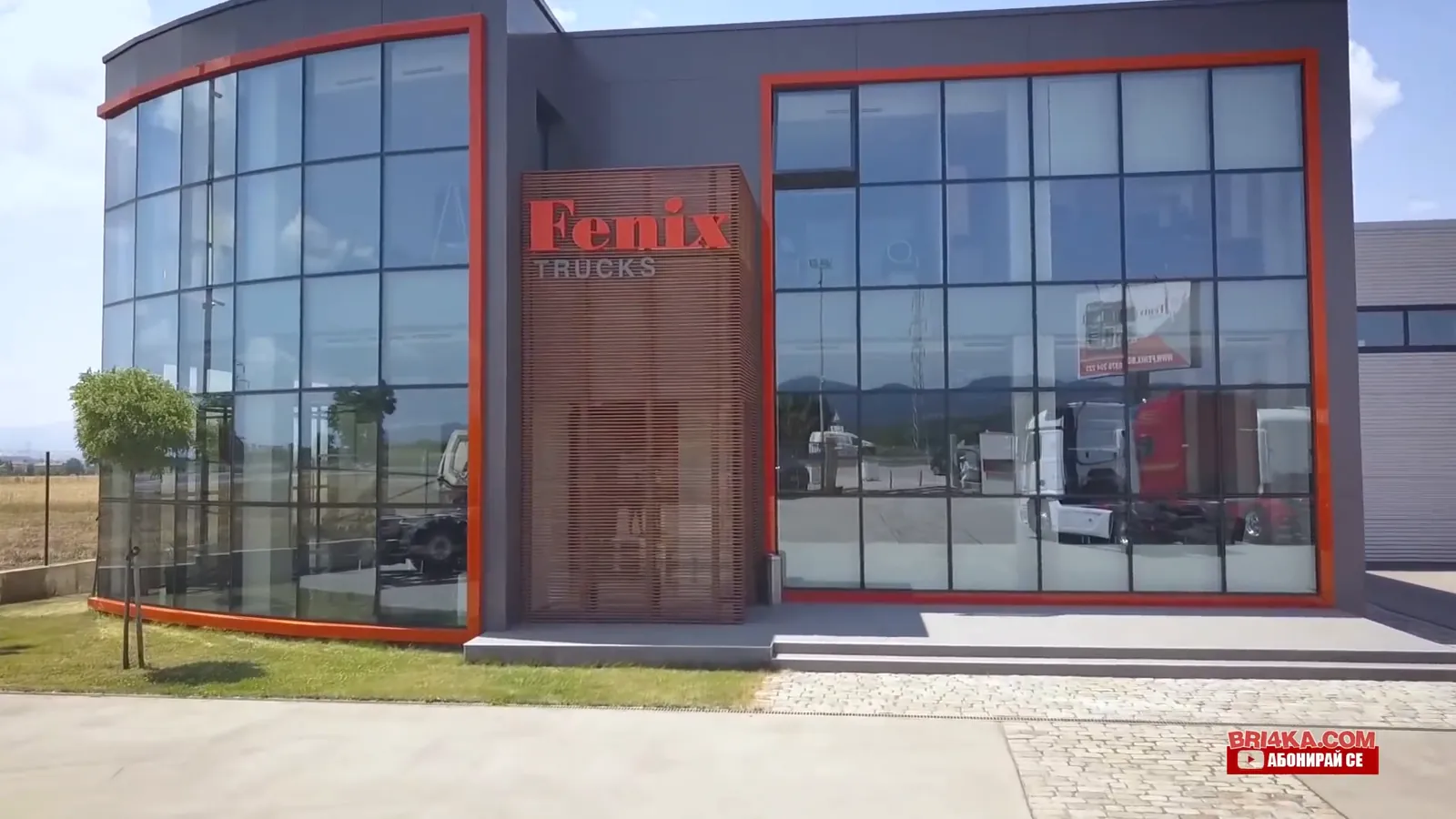
In a Bri4ka.com video, Filip comes to Fenix with one question: if I had to buy a truck tomorrow, where would I start? Agop Erdeklian, who has been selling trucks for 20 years, walks him around the yard. We have collected the advice from that conversation here, with a short checklist at the end.
First: what job will the truck do
A car costs you money. A truck has to earn it. So the choice does not start with the brand or the colour, but with the question of what the truck will do.
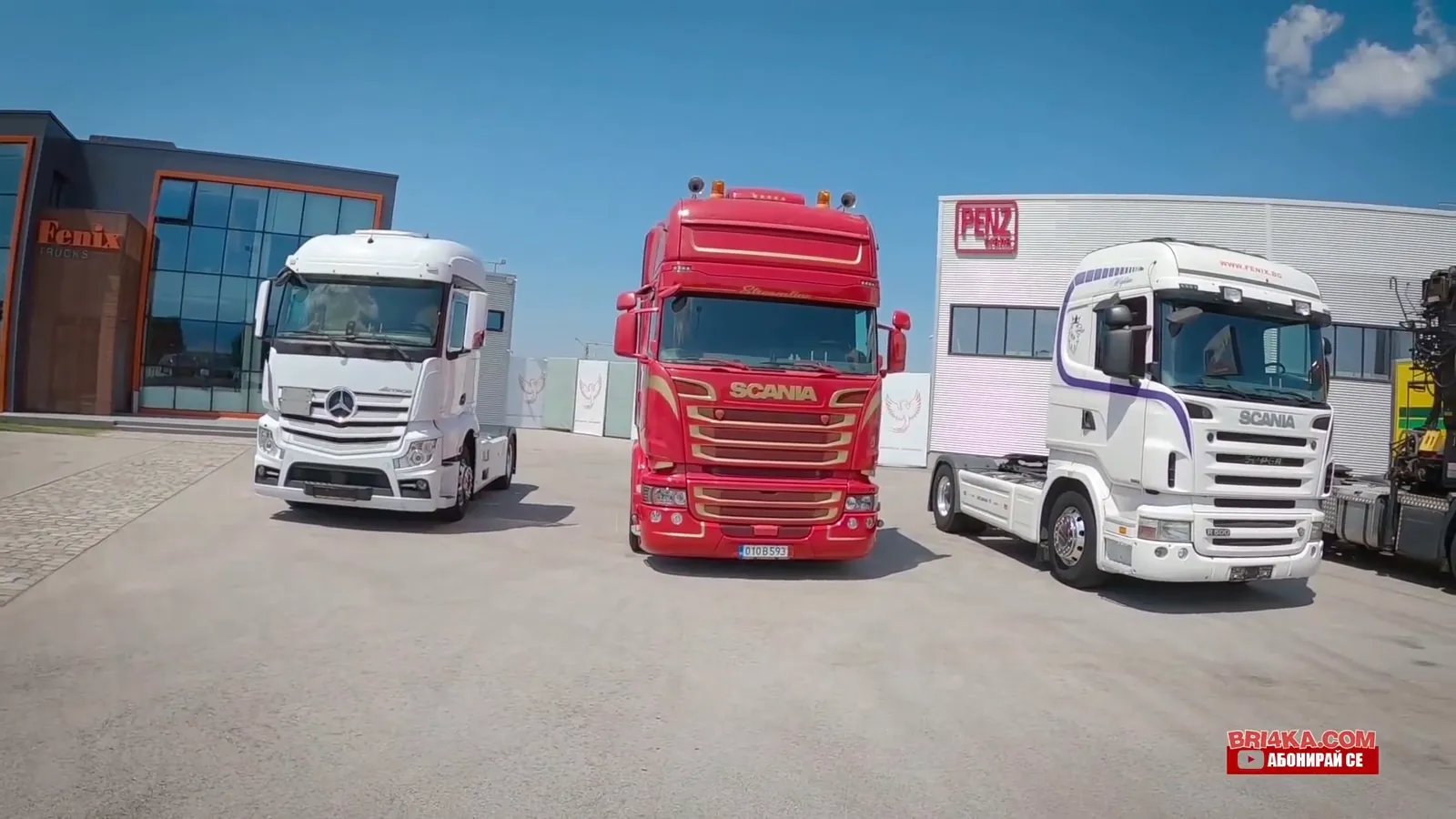
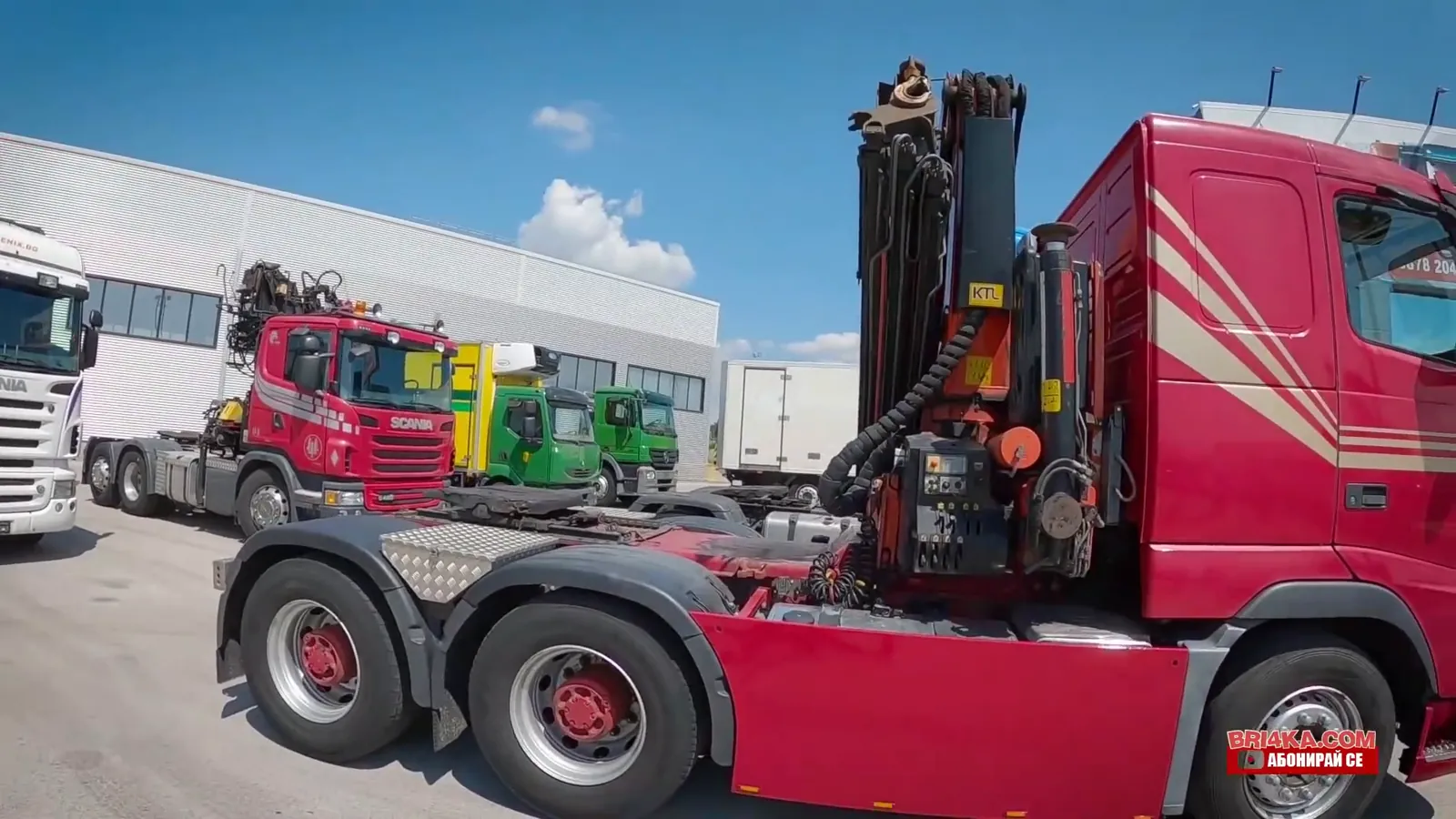
A tractor unit with a crane behind the cab, for example, pulls a trailer of bricks on pallets to the site and unloads them onto the fifth floor itself, with no separate crane. A tipper, a mixer, a reefer — each is a machine for a specific job.
Then come the questions that decide the model: short or long trips, tarmac or rough ground, 15 or 25 tonnes of load. Who buys matters too: the boss for a driver, or the driver for himself. Liking a brand is normal, but it should not come before usefulness.
Brand and model: each has its charm
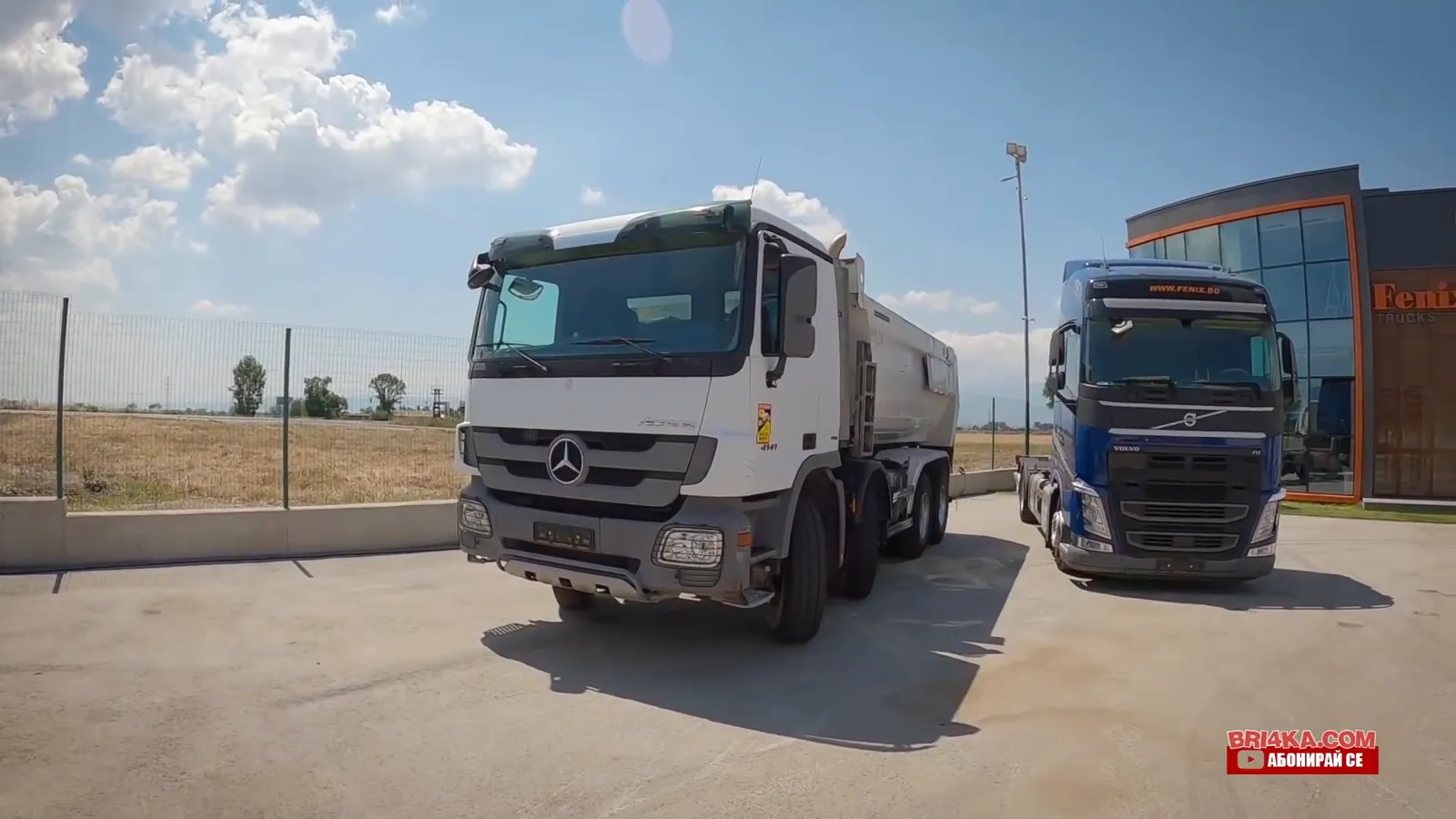
Agop won't rank the brands — every truck has its strengths. His personal picks: for a tipper, MAN or Mercedes, built like tanks and never left stranded; for a long-haul tractor, Scania.
What matters is knowing what upkeep will cost. No truck never breaks. Scania is economical and durable overall, but its parts are expensive: a turbo for one can cost twice as much as for a Mercedes.
So before deciding, check the reputation of that particular engine and whether at least two suppliers offer parts for the model. A truck you cannot get parts for stands idle.
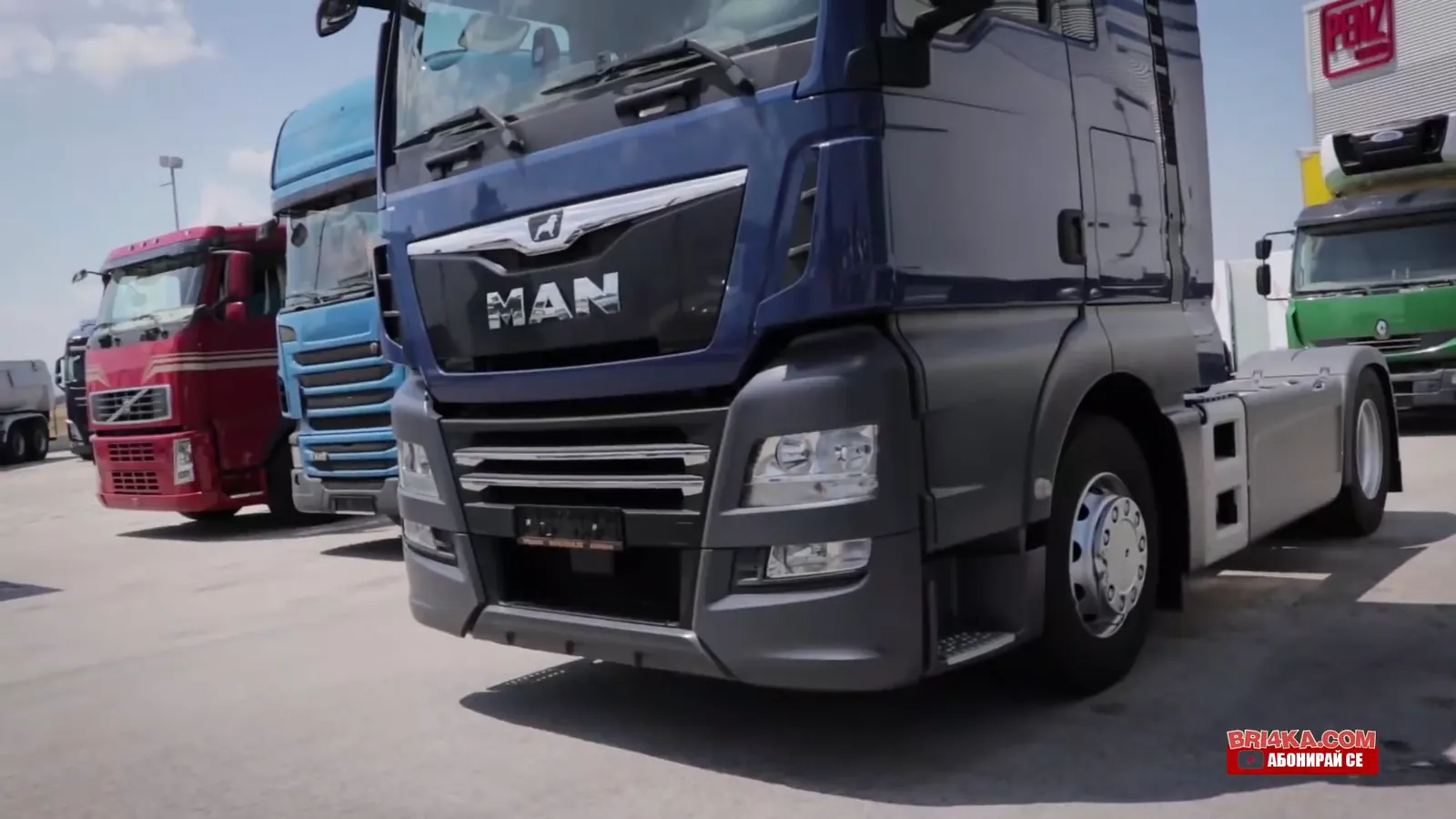
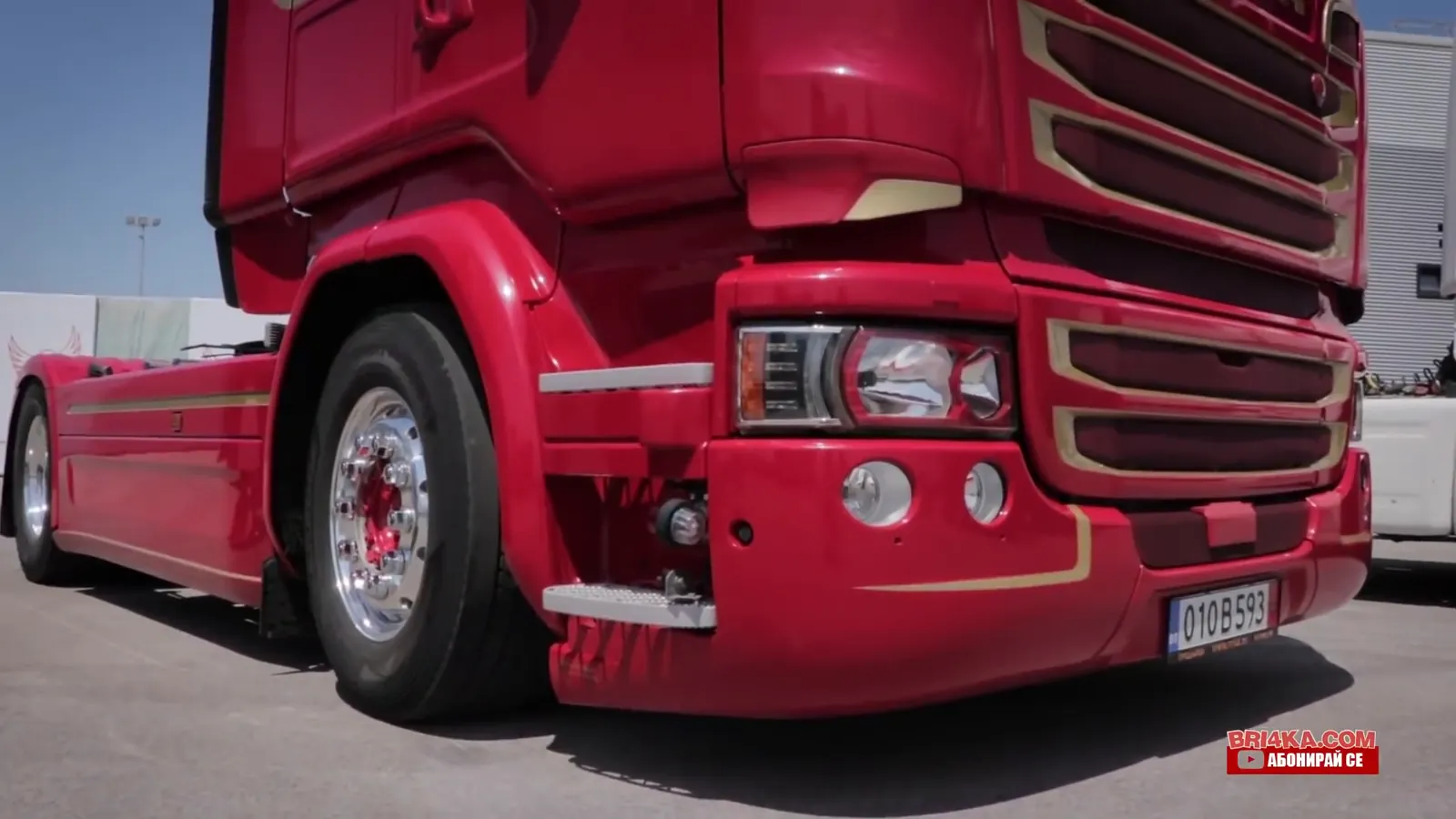
Before the inspection: year, mileage, Euro class, history
Before walking around the truck, get its data: year, mileage, Euro emission class and service history. Ask why it is being sold, what repairs and oil changes it has had, whether it has been in an accident and how many owners it has had. Frequent changes of owner in a short time are a sign of a hidden problem.
The Euro class depends on where you will operate. In Bulgaria, Euro 5 and Euro 6 pay almost the same road tolls. But the rules keep tightening and tolls change every year, so if you look ahead, Euro 6 is the safer choice.
If the mileage looks too low for the age, check it. We explained how in our article on the real mileage of Swiss trucks.
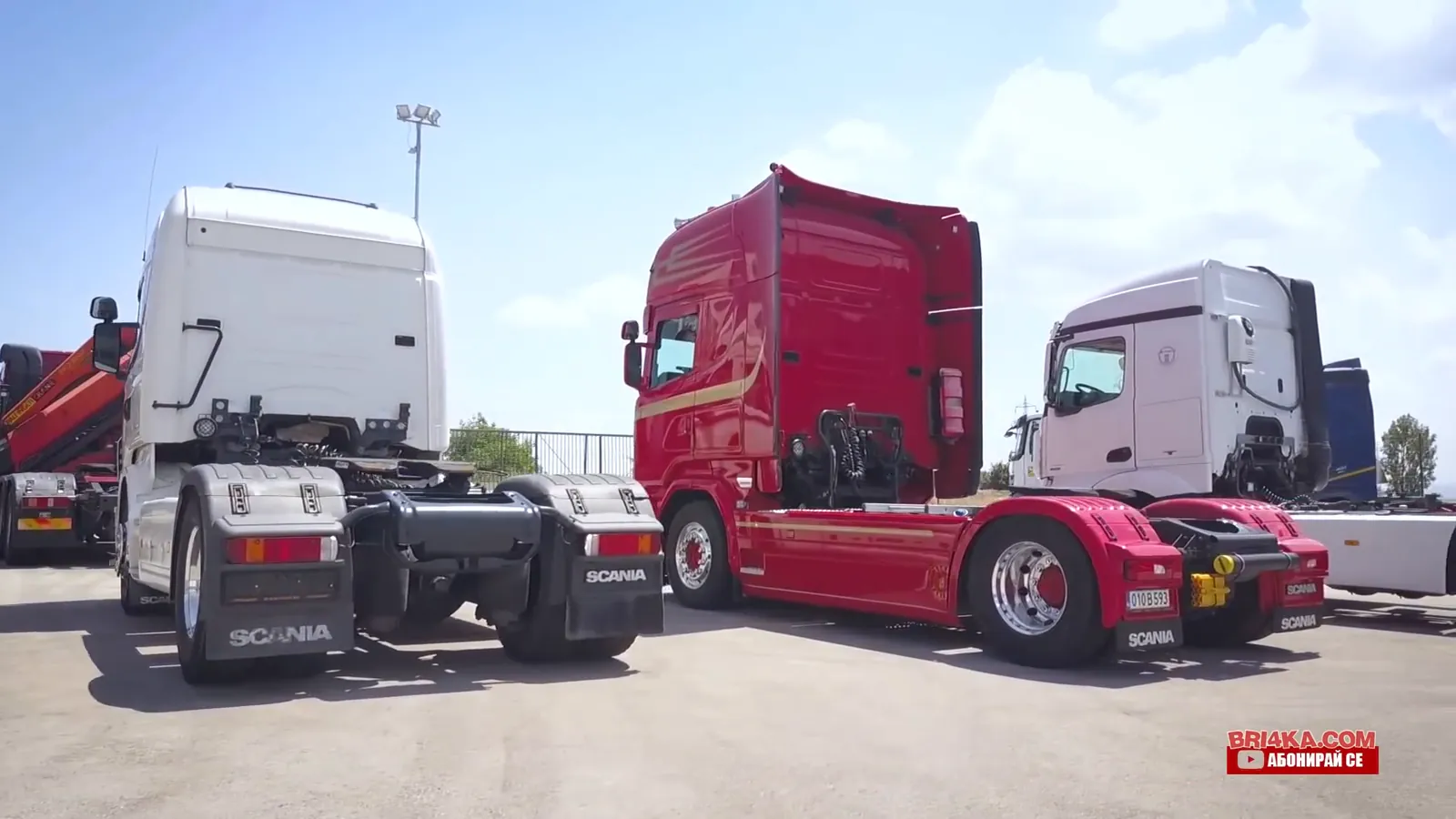
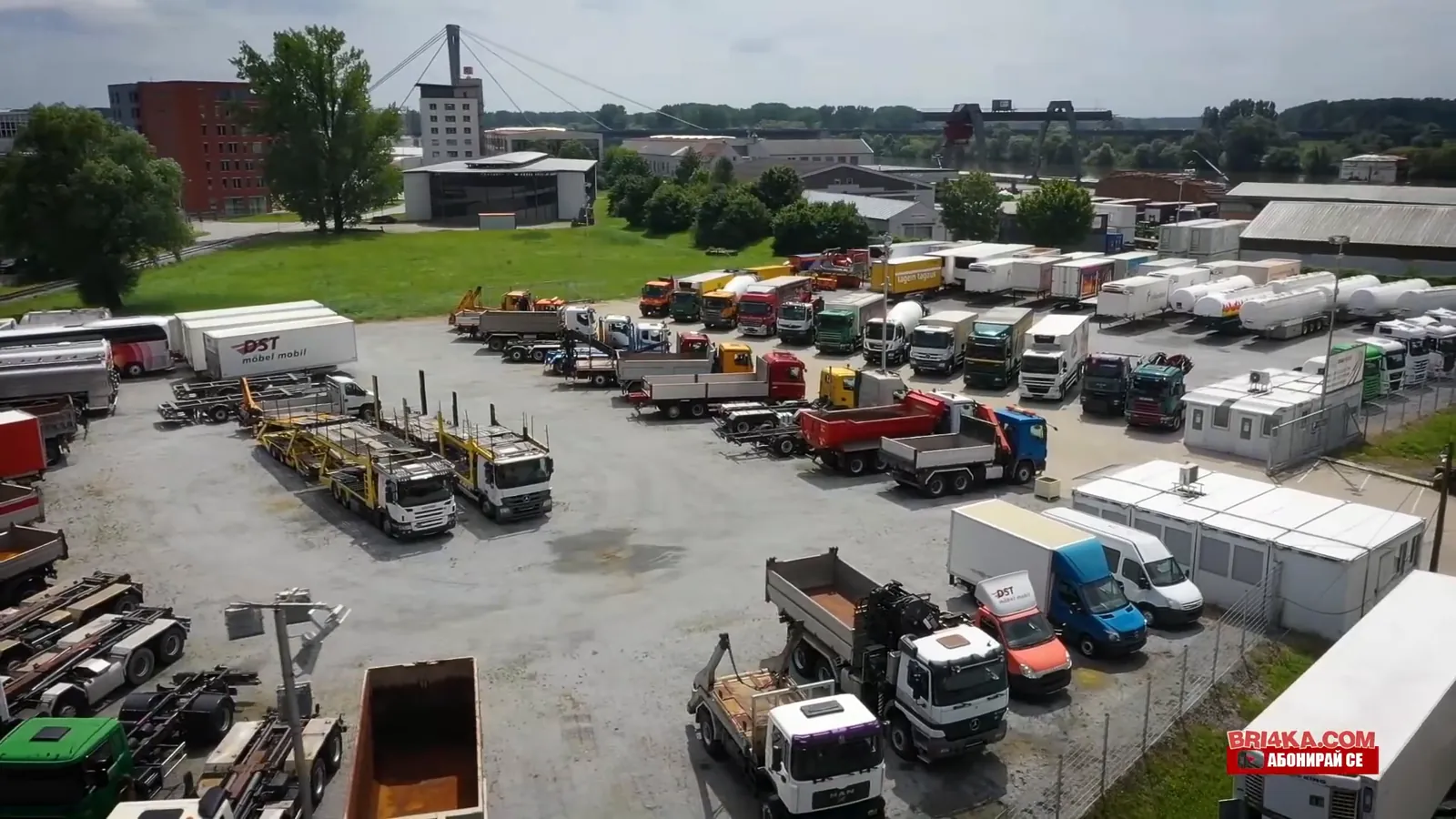
The inspection: chassis, fifth wheel, axles, air bags
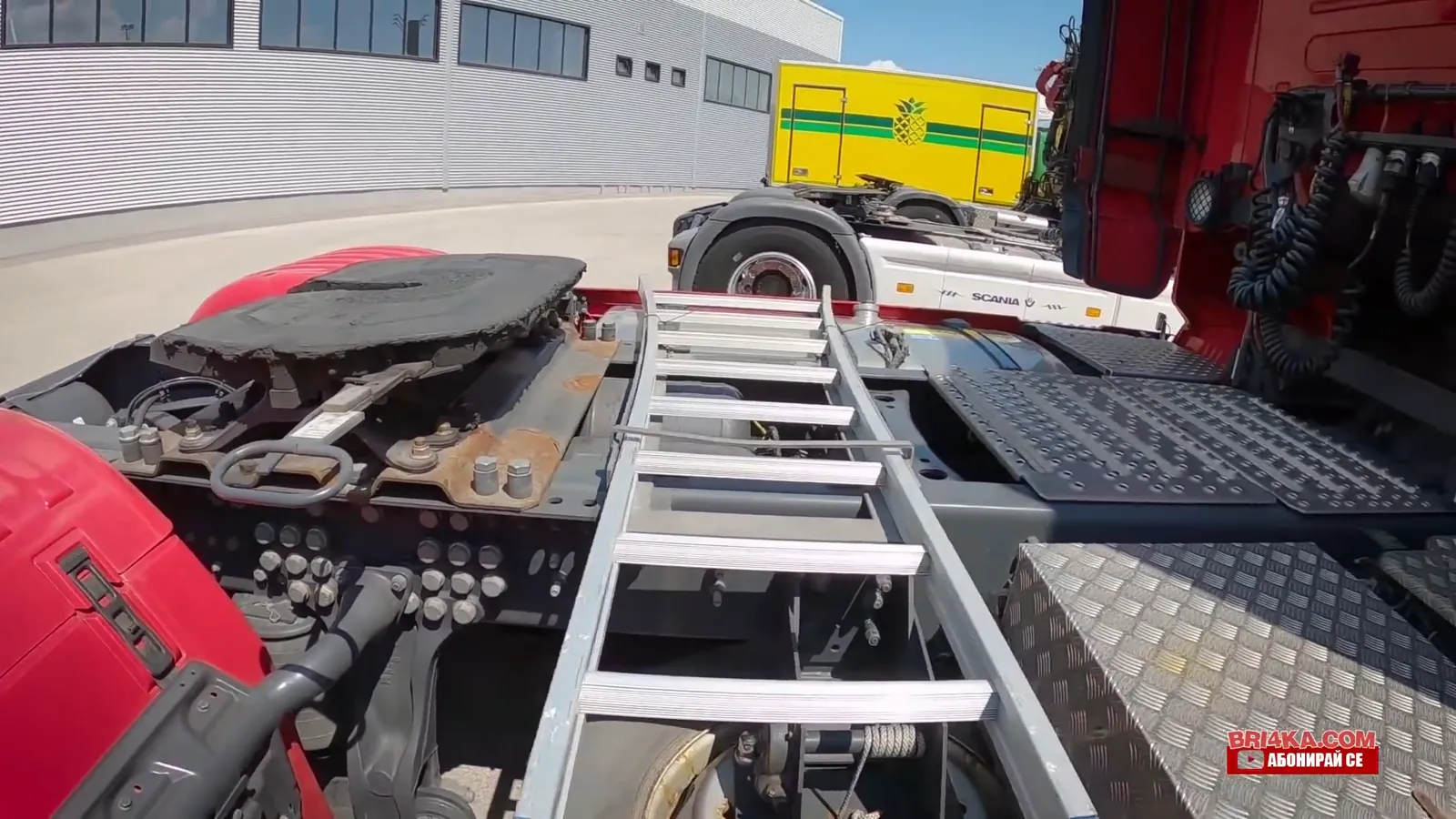
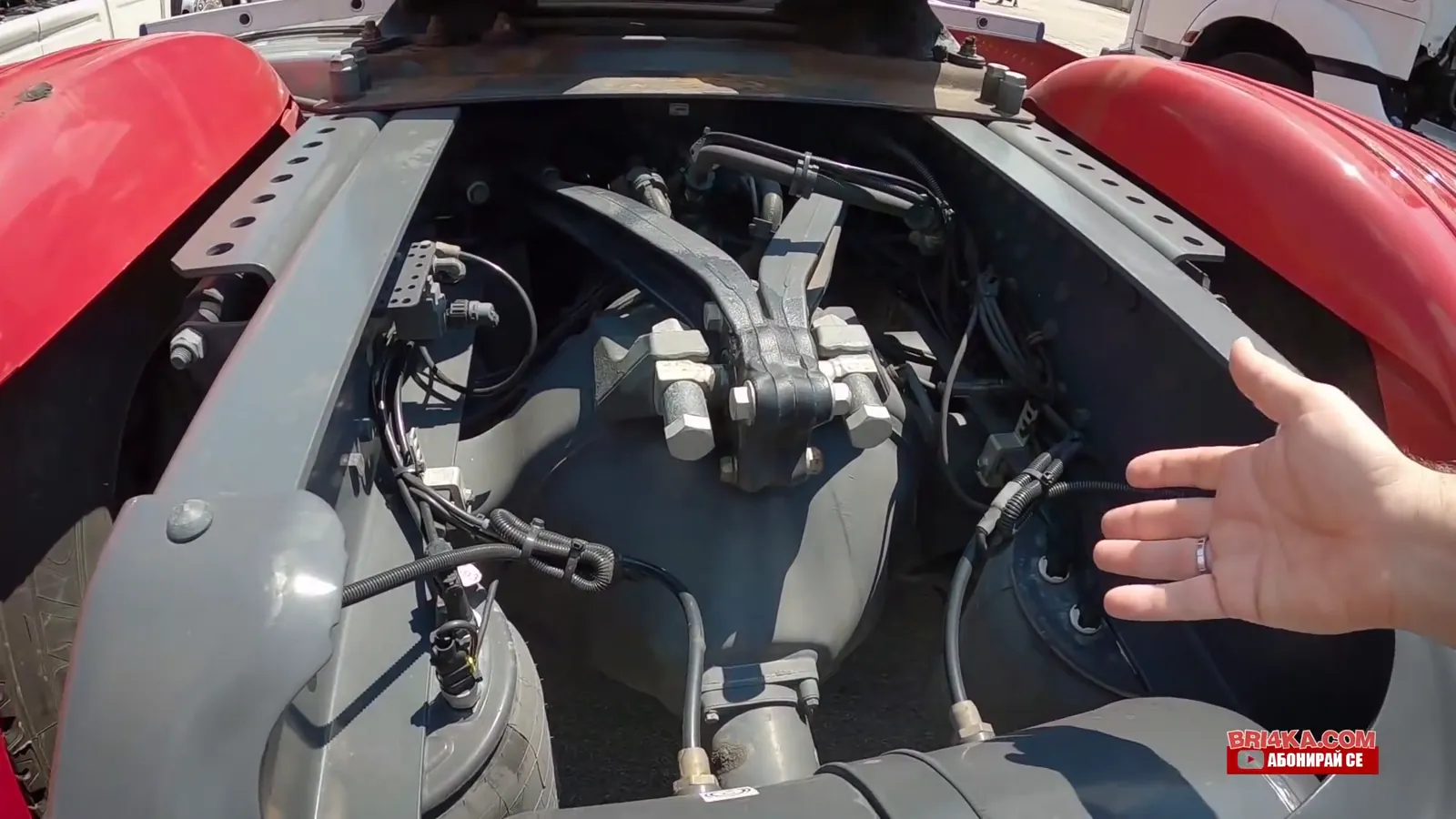
Start with the chassis. It shows whether the truck has been welded or repainted after a crash. The chassis carries everything else and it has to be sound.
Light surface rust on the fifth wheel or its mounting plate is not a problem. It usually comes from water dripping off the semi-trailer, it is easy to fix, and the fifth wheel can be replaced if needed.
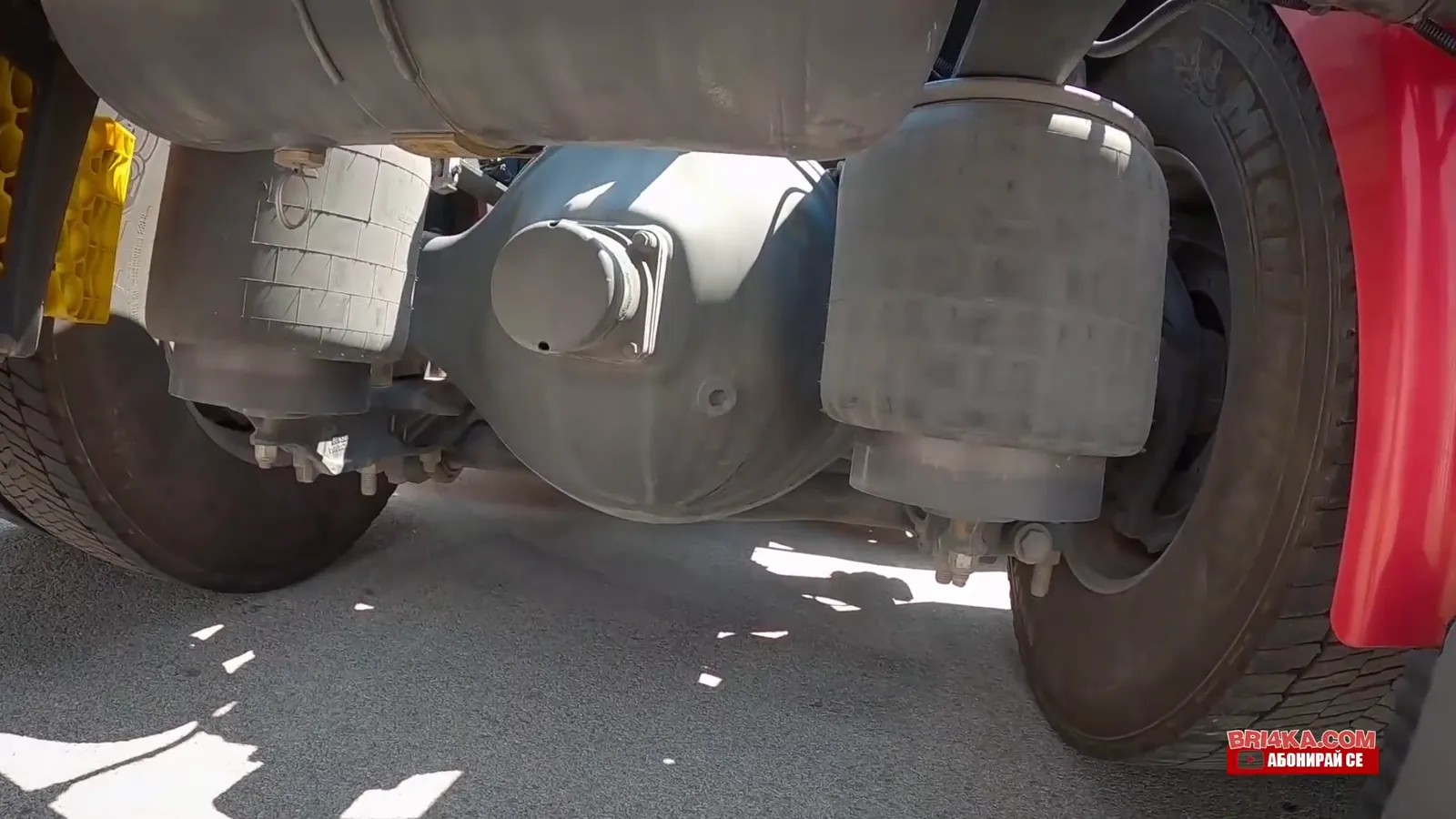
Under the truck, look at the differentials: are they clean, are there leaks? Check the air bags for cracks. Inspect rust on the cab and roof, and bubbles under the paint, outdoors in daylight. Check the level and condition of the engine and gearbox oil too.
Wheels, tyres and fuel consumption
For tractor units, fuel is the biggest cost line. What you earn has to be more than what you spend, and every kilogram of weight is paid in litres.
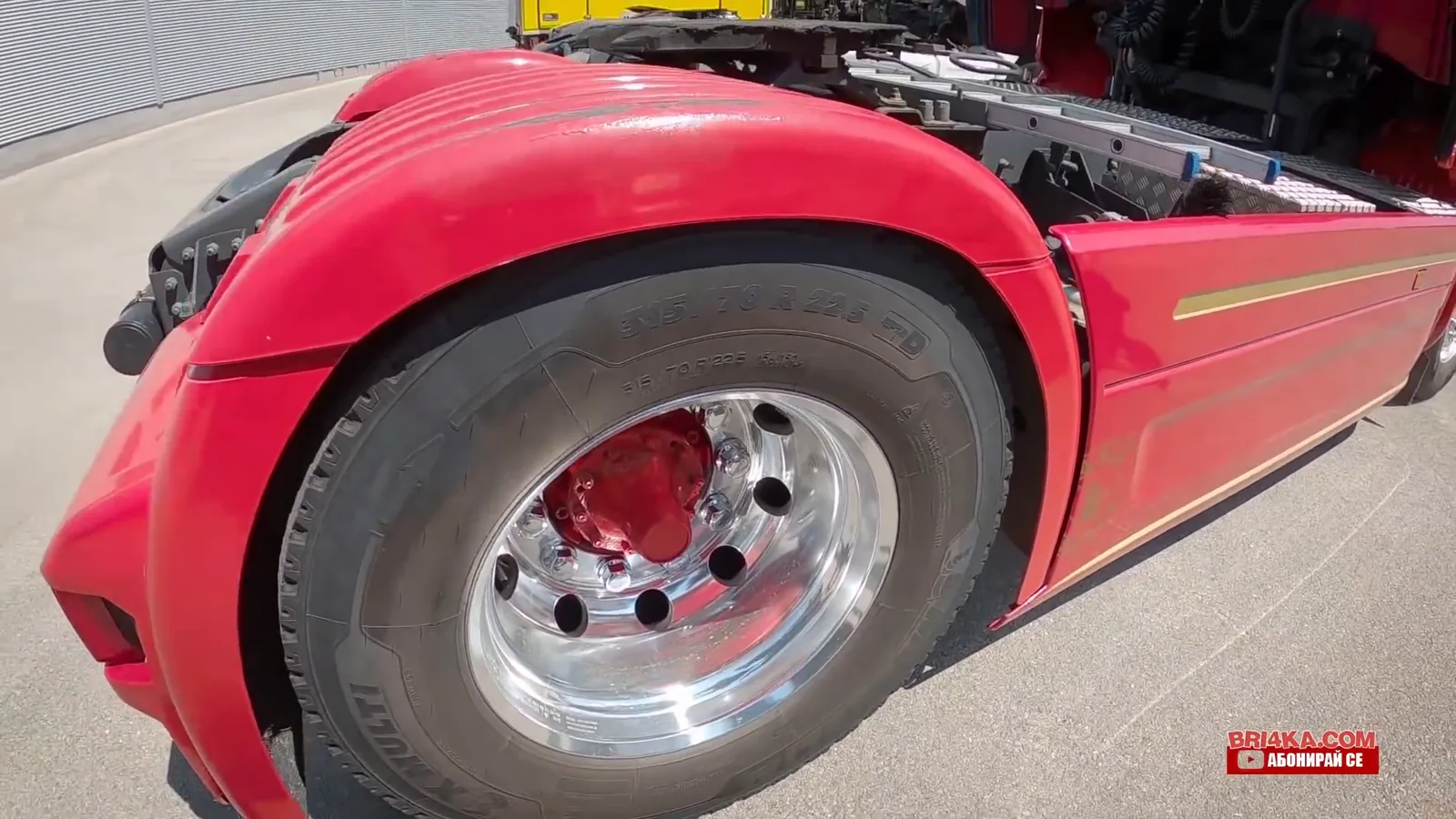
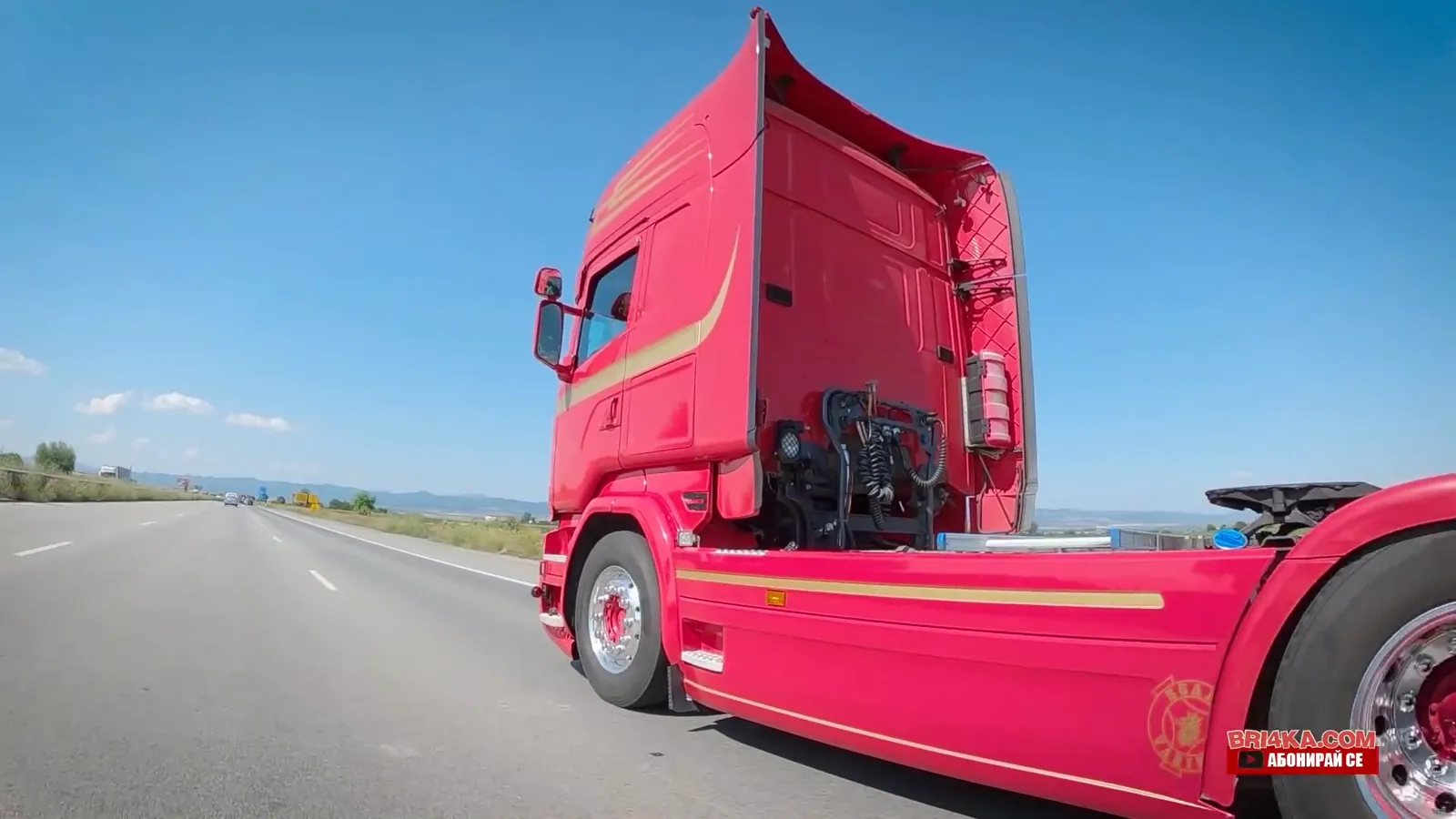
Shiny aluminium wheels are not just for looks. A set is about 80 kg lighter than steel, so the truck carries more and burns less.
Look at the tyre tread too: how long will they last and when will they need replacing? A new set is a cost better known before the purchase than after it.
The cab and the test drive
A big cab with two bunks (a Topline on a Scania) gives lots of space and comfort. But it weighs around 300 kg more than a low cab, and that means higher consumption.
If the truck will run with two drivers, the big cab is worth it. With one driver, weigh whether the comfort pays for itself. It is a compromise between boss and driver, but a good driver deserves a good workplace.
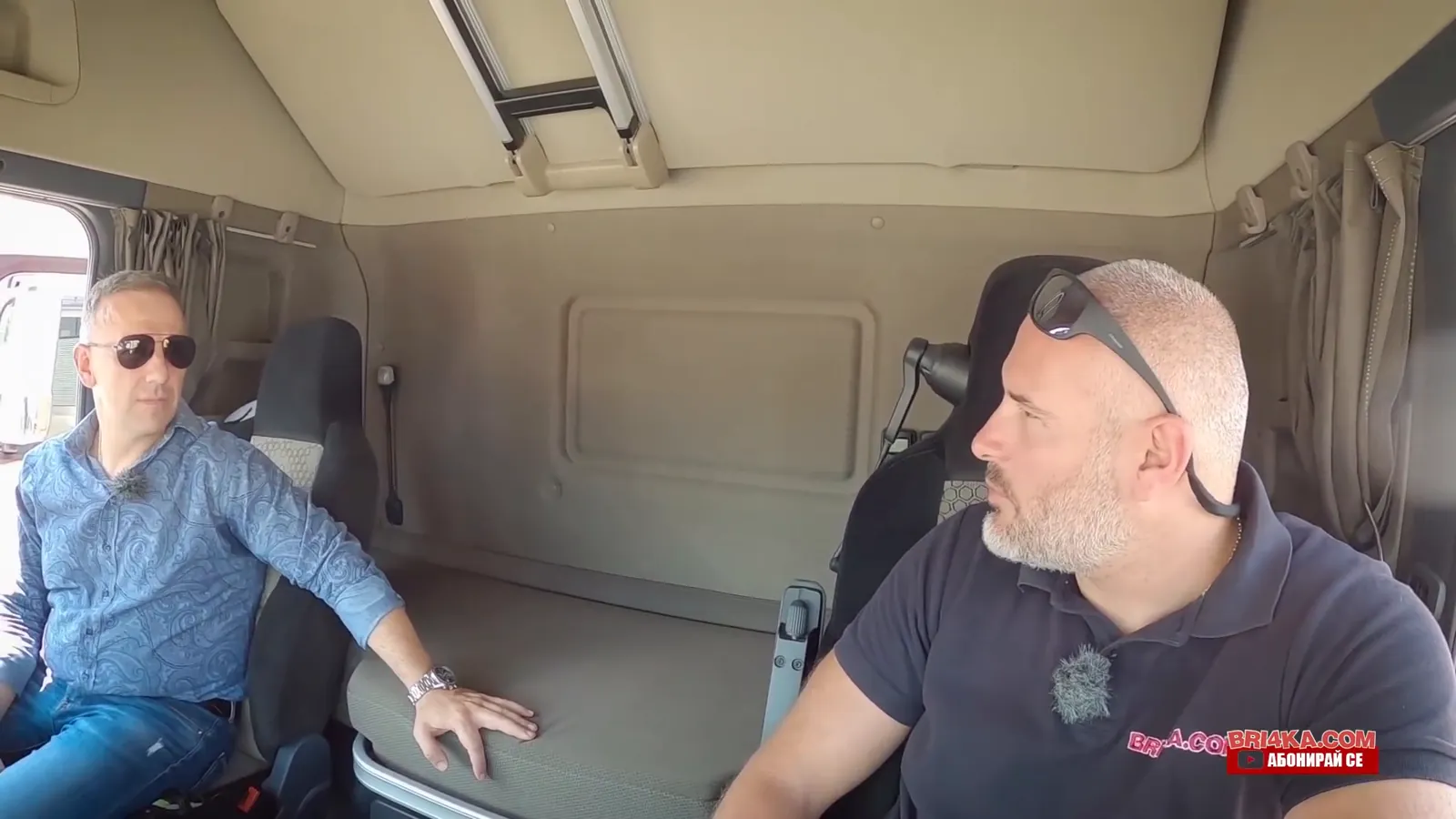
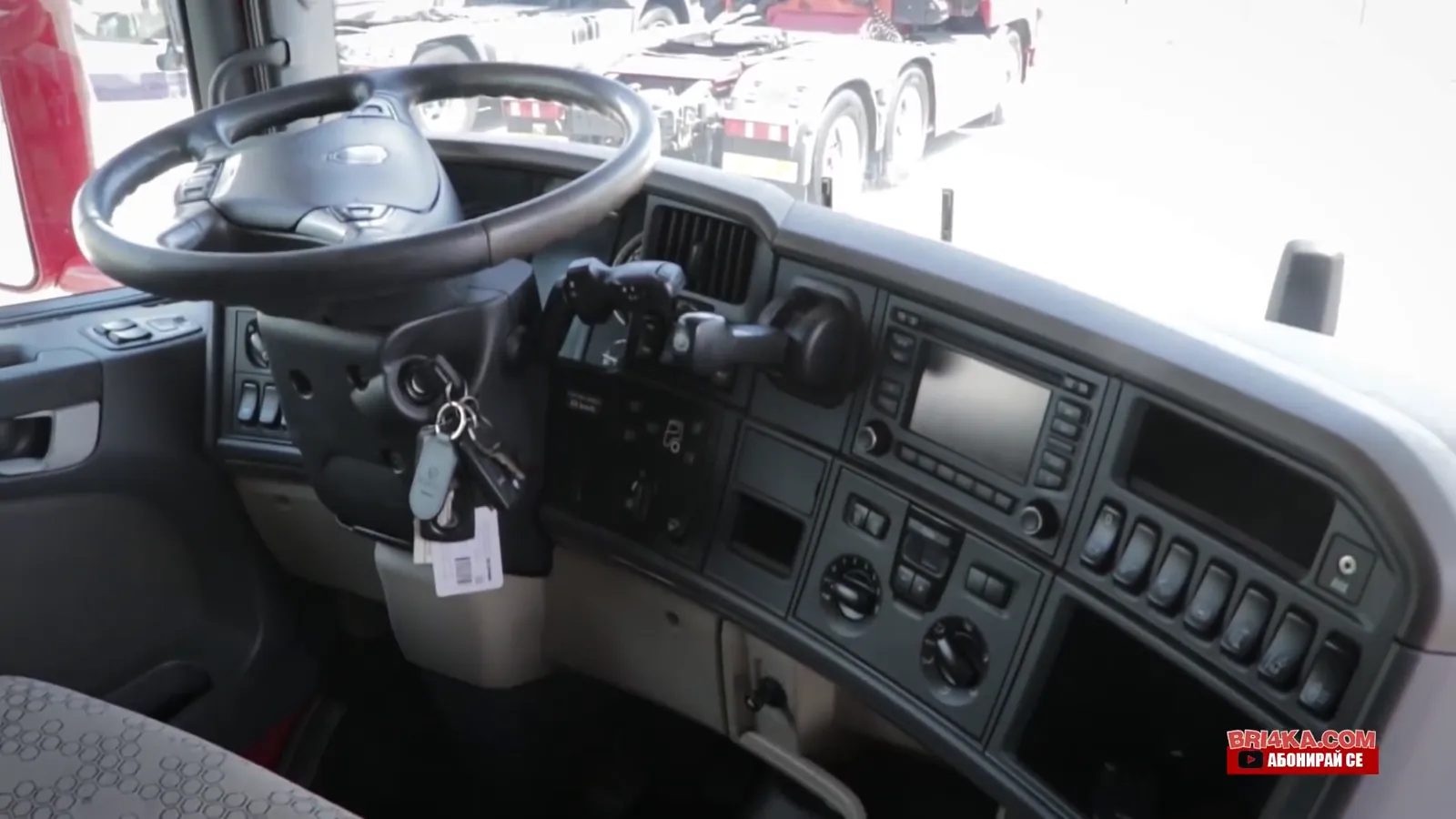
Once you like the truck and the history checks out, take it on the road: engine, gears, brakes, suspension, the extras in the cab. Bring the driver who will drive it — their opinion is valuable.
The price, haggling and when to walk away
Swiss trucks are usually ordered with every extra and serviced on schedule. That is why they are not the cheapest in Europe: quality has its price. Something cheap is rarely good.
Haggling is normal and happens in the office, not next to the truck. The buyer wants the best for himself, the seller a price that keeps him in business. There is always a reasonable compromise.
Before signing, work out the whole budget: upcoming repairs and replacements, financing, insurance, warranty. And know when to walk away. If something sounds too good, if the mileage does not fit the year, or if the seller won't give you papers or allow an inspection, those are warning signs. There are plenty of trucks.
Short checklist
1. What the truck will do: load, distances, terrain, one or two drivers.
2. Data and history: year, mileage, Euro class, service book, oil changes, accidents, number of owners, why it is sold.
3. Inspection outdoors in daylight: chassis, fifth wheel, rust, axles, air bags, oils, tyres.
4. Test drive, together with the driver.
5. The whole budget: repairs, parts, financing, insurance, warranty. And the nerve to say no.
Watch the full conversation
Video: Bri4ka.com — "How to choose and buy a used truck?" (in Bulgarian).