
How genuine mileage is verified on a Swiss truck
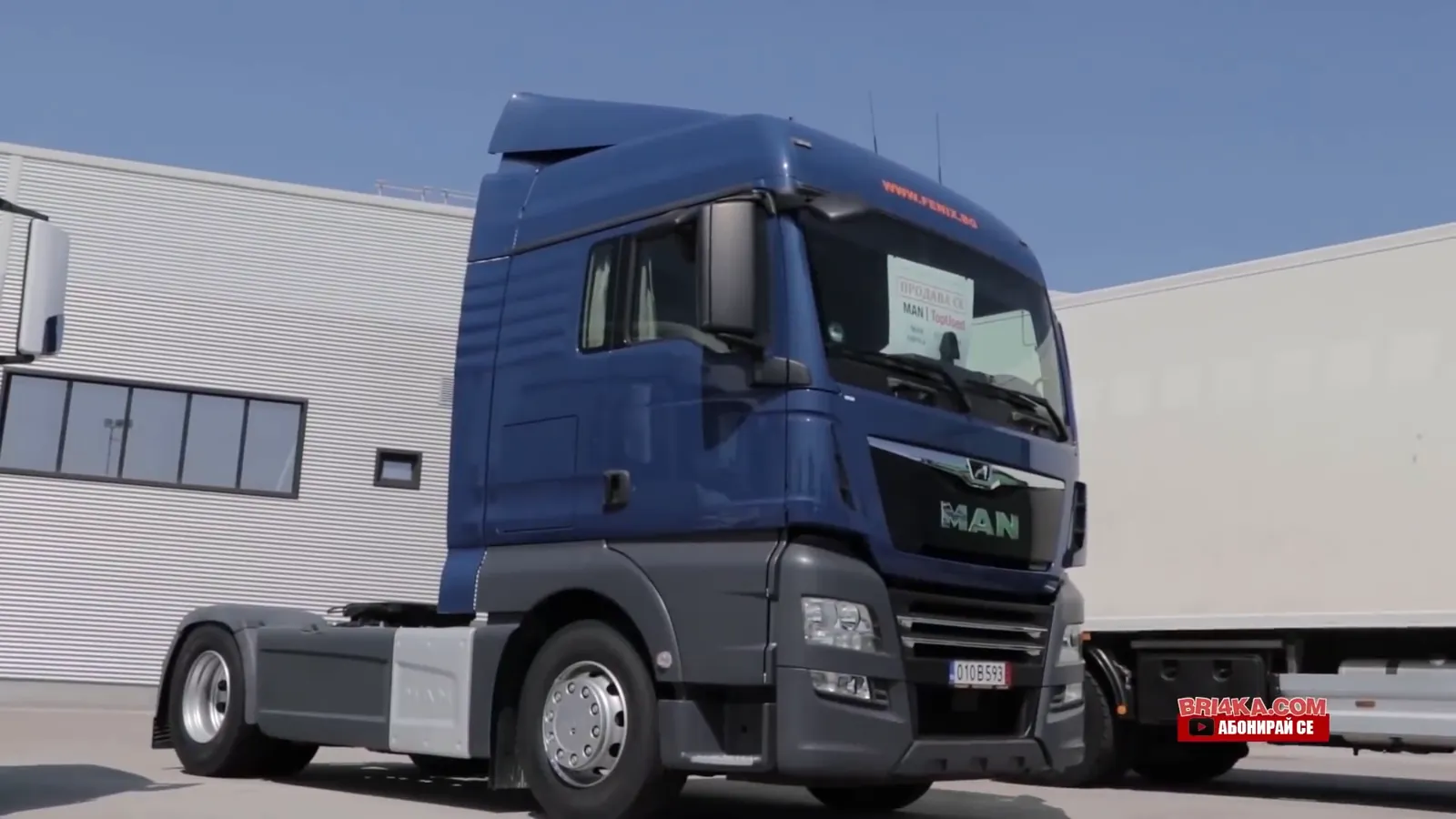
Do truck odometers get rolled back, and how do you catch it? Agop Erdeklian of Fenix Trucks answers the awkward questions of Filip from Bri4ka.com — right in the cab of a MAN from our yard.

Where mileage gets rolled back
Not in Switzerland. Swiss sellers just want the truck to leave the country: companies run new fleets and don't want their old truck with their livery on Swiss roads. There is no reason to touch the odometer — and in both Switzerland and Germany it is a crime.
The risk comes after import. Agop knows at least one method: replacing the tachograph. The good news is that on a truck this can be detected, unlike on a car.
A real case: years ago we turned down a Swiss tractor unit because it had over a million kilometres. Two months later the same truck turned up in Bulgaria — with 700,000 km and two years younger.

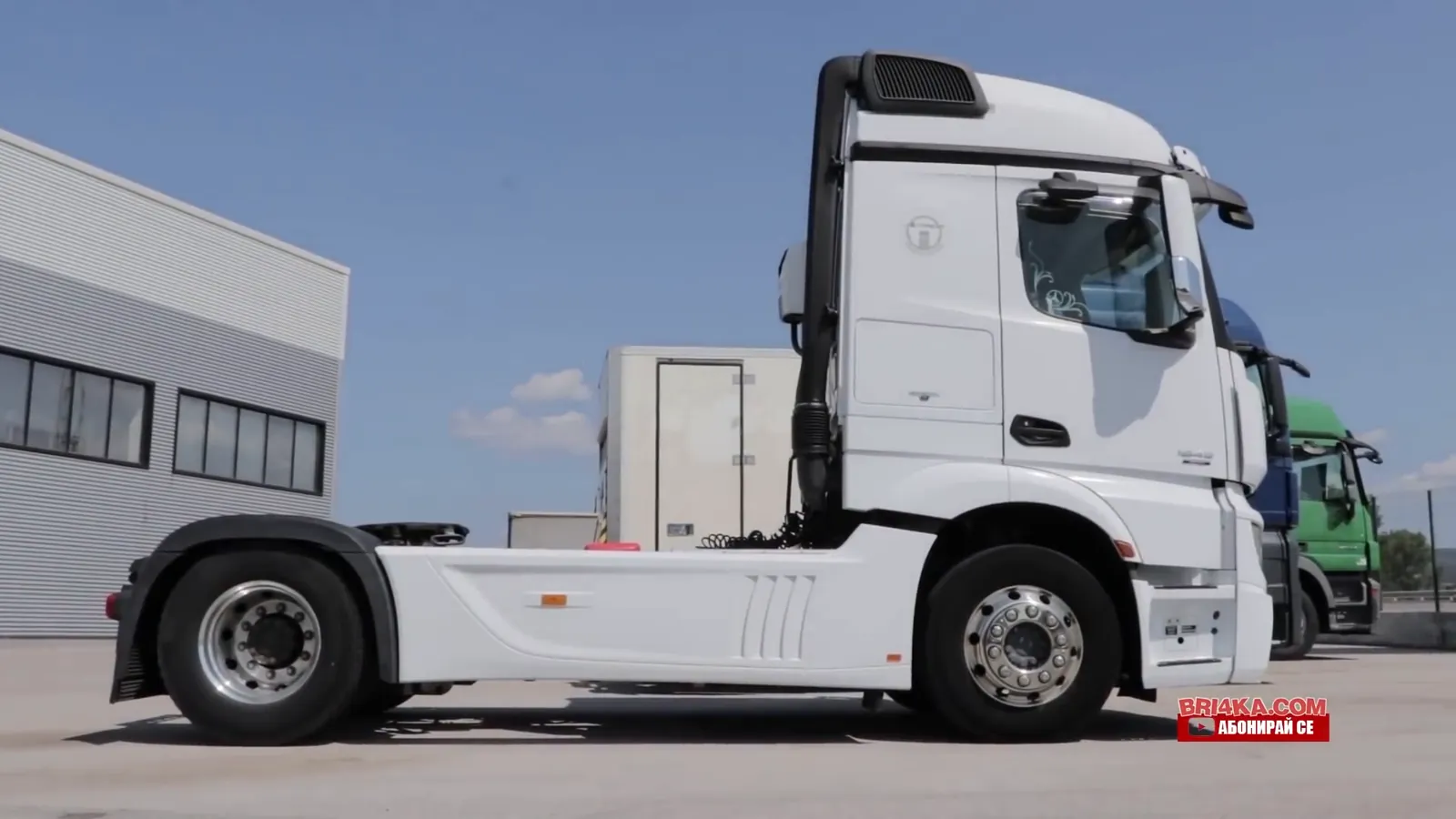
Step 1: the chassis number
The year can be "adjusted" too. So start with the chassis number (VIN): several websites, most of them free, show the production year and the market the truck was built for.
Up to one year between production and first registration is normal for trucks. More than that deserves questions.
The emission class matters more than the year itself: a 2006 truck and a 2010 truck can both be Euro 5. Choose it by where and how the truck will work.
Step 2: total fuel and engine hours
The truck's electronics keep data that is not reset along with the odometer. MAN shows the total fuel burned since day one and the engine hours; Mercedes shows the engine hours. Diagnostic software reaches further parameters.
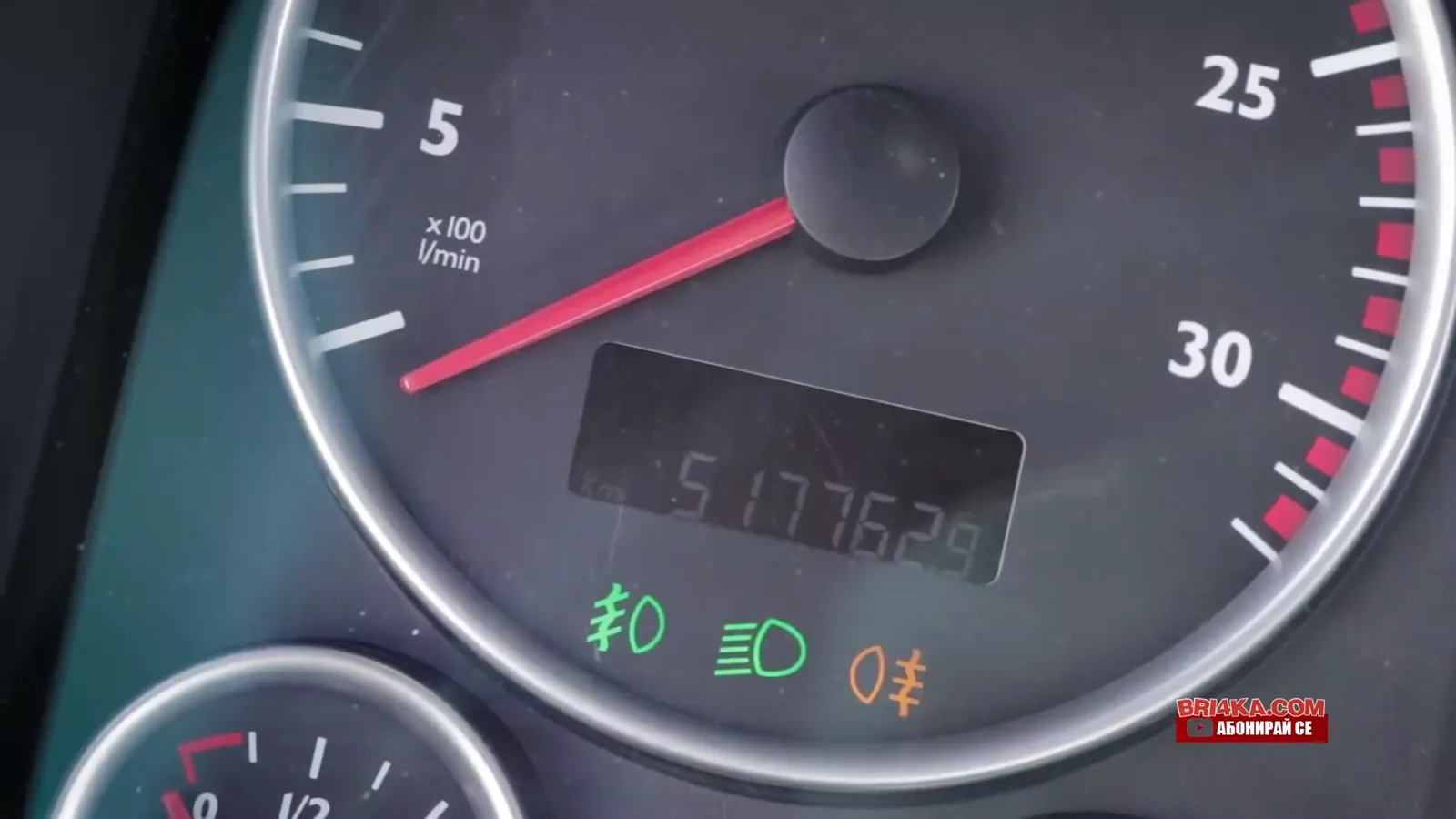
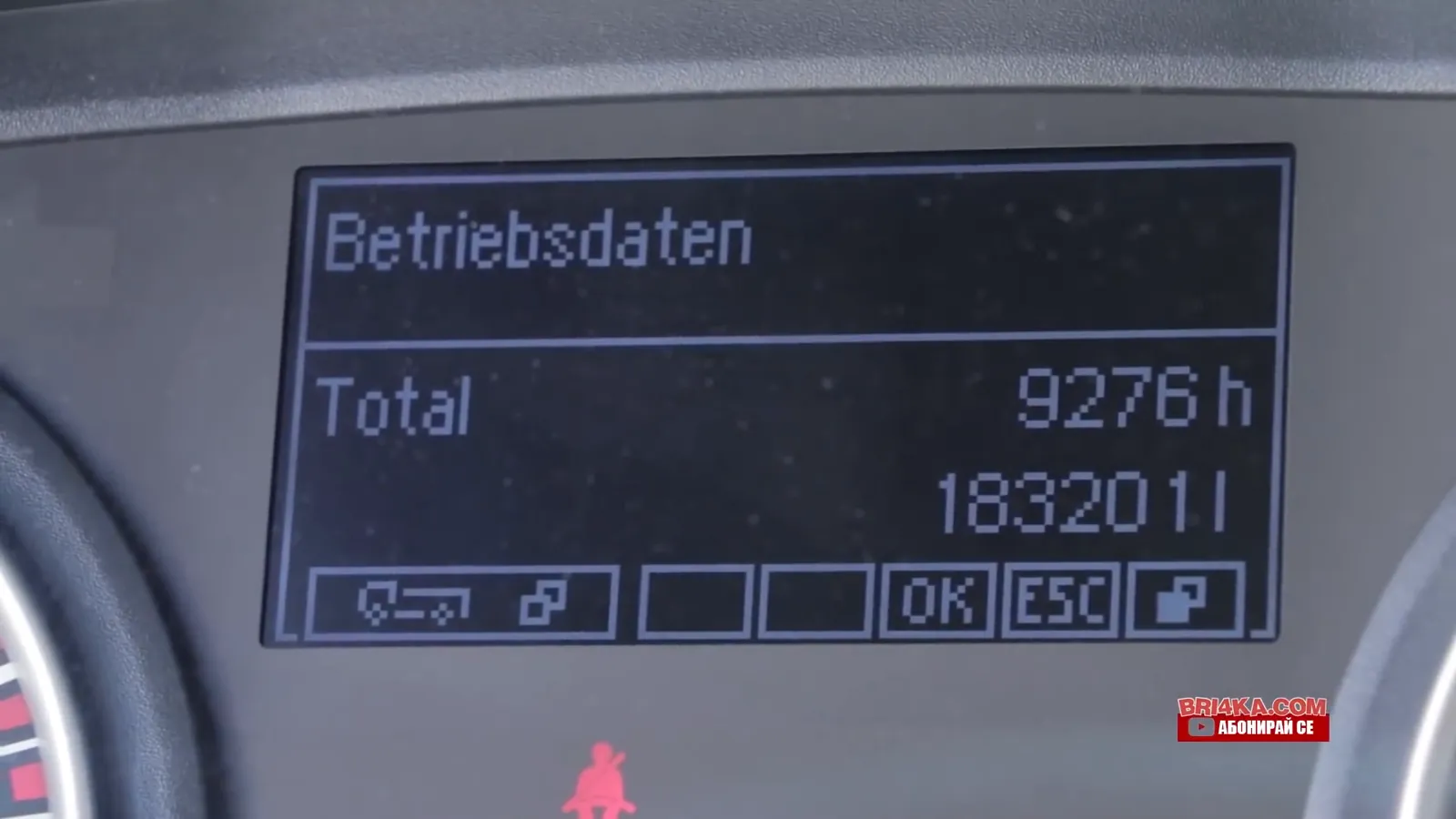
The example from the video: a 2017 MAN with 517,762 km. The "Betriebsdaten" menu shows 9,276 engine hours and 183,201 litres of fuel.
The calculation
183,201 l ÷ 517,762 km ≈ 35 l per 100 km — a normal average for a tractor unit. If someone claims the same truck has 400,000 km, that works out to more than 45 l per 100 km, which is impossible.
The second check is average speed: 517,762 km ÷ 9,276 h ≈ 56 km/h. Logical for a tractor unit that barely stops. A refrigerated truck that stops to unload comes out around 40 km/h — also normal. What matters is that the numbers fit the job the truck did.
Many of our customers ask for the total fuel first, take out a calculator and only then start talking. You are welcome to — we show it.
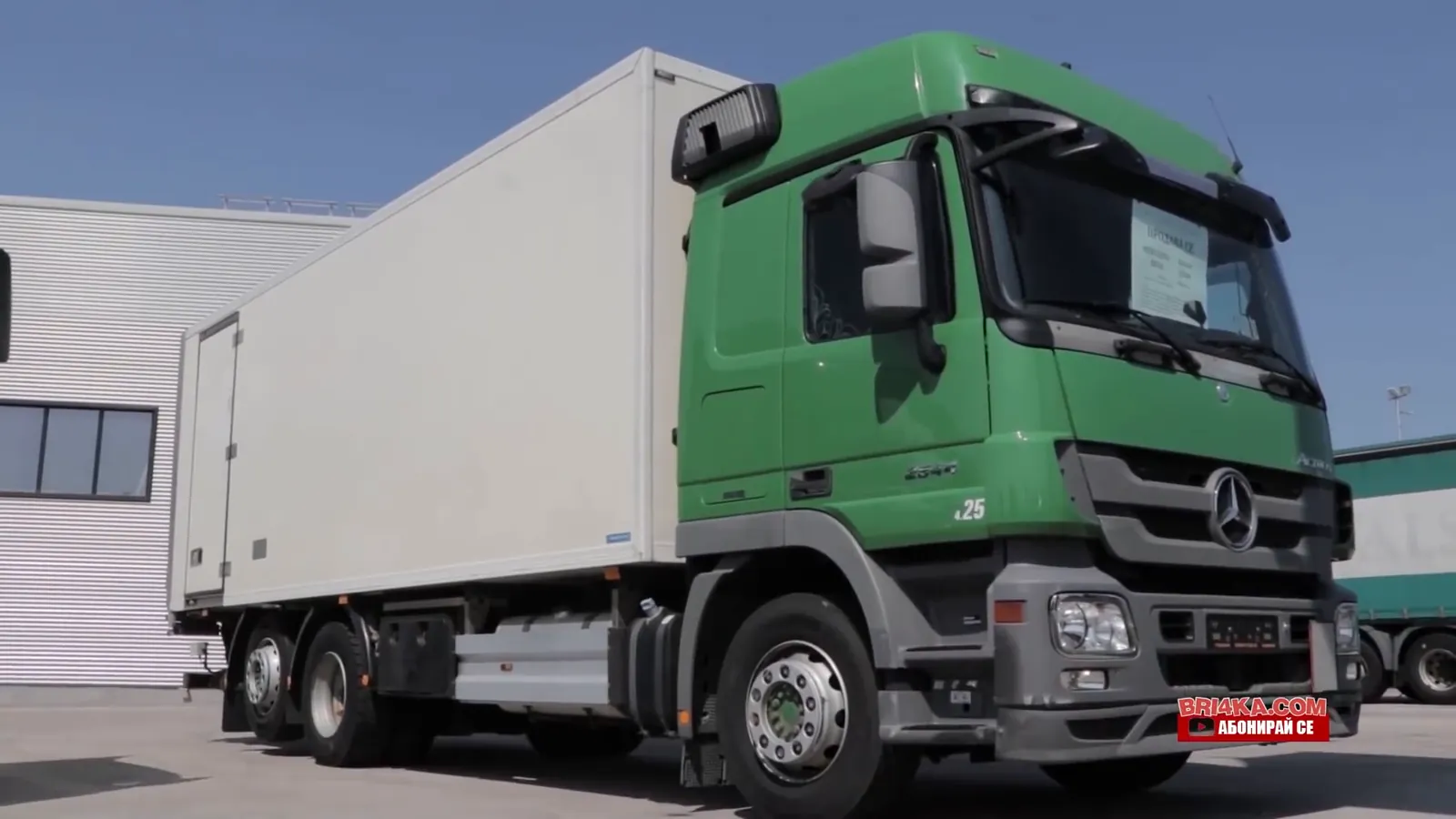
Service history and inspection
Swiss trucks often lack a complete service history. The country is split into cantons, and repairs are done by local garages licensed for a brand but not part of it — so the history gets lost.
For Agop that is not a problem: Swiss trucks are repaired with original parts that last 2–5 times longer than replacements. And the inspection is annual and much stricter than the German TÜV. A recent inspection means the truck is in order.
The test drive and the seller's word
Hidden defects in the engine, gearbox and differentials are the most expensive. So drive the truck before buying — or have someone drive it who knows how. Some problems can be masked for a while with additives, and no inspection will catch that.
Check the listing point by point as well: a retarder, air conditioning and every other extra that is listed must actually be on the truck.
What remains is the seller's word. "A deal is more than a contract — it is a promise," says Agop. At Fenix we sell trucks with genuine mileage: that is our policy and what sets us apart. "Either you lie or you don't."

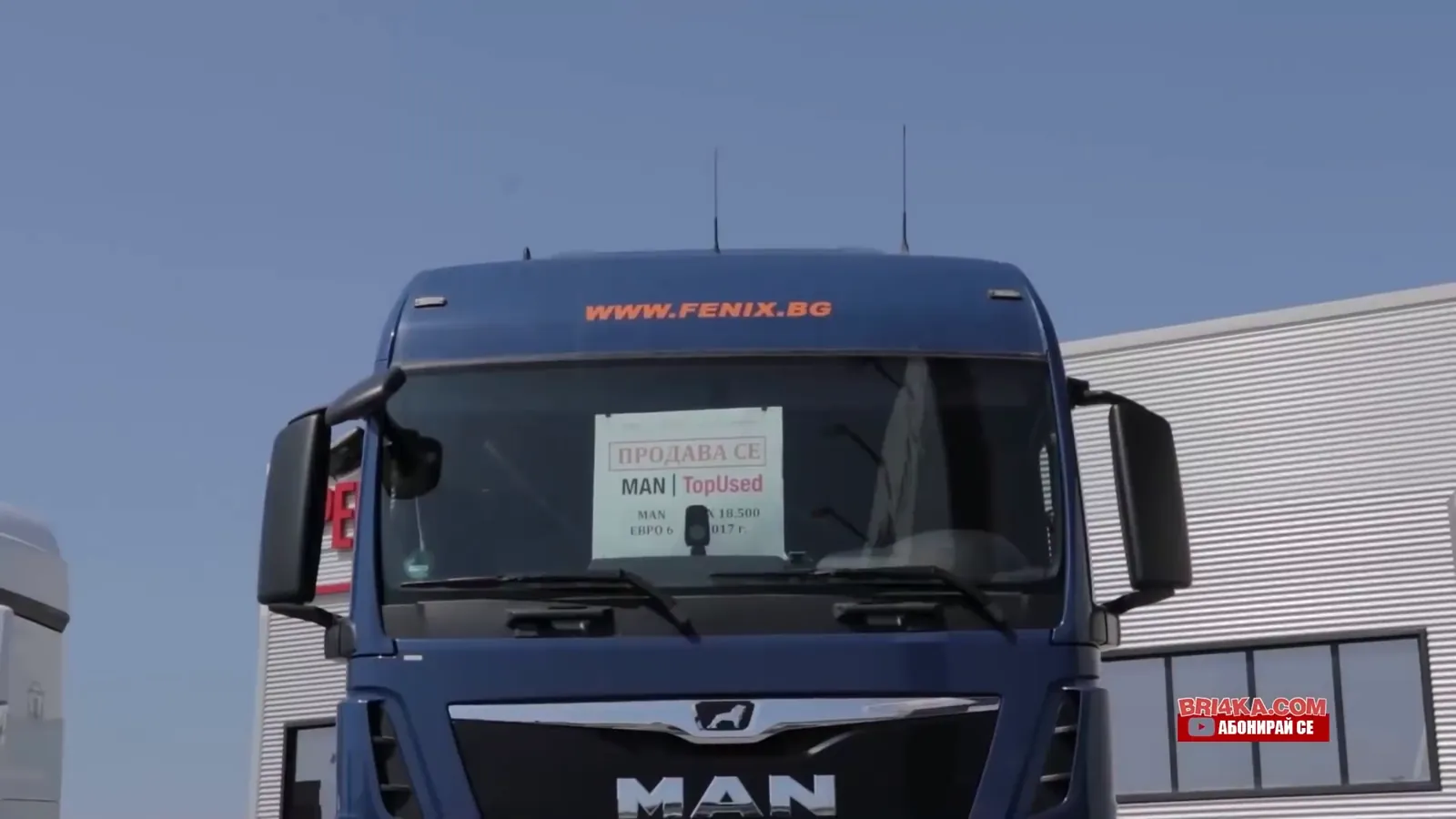
Watch the full conversation
Video: Bri4ka.com — Agop Erdeklian and Filip (in Bulgarian).